Rooflight Installation Guide: Step-By-Step Instructions for Homeowners From Experts
Installing a rooflight provides a practical way to enhance natural illumination inside a house. This process can improve ambiance and reduce energy costs. Property owners should take into account a number of considerations, such as the rooflight style, required equipment, and safety precautions. Potential challenges, such as structural integrity and weather conditions, require careful attention. Being aware of these elements will equip homeowners for an effective fitting. In the following section, the advantages of adding a rooflight to your home will be discussed.
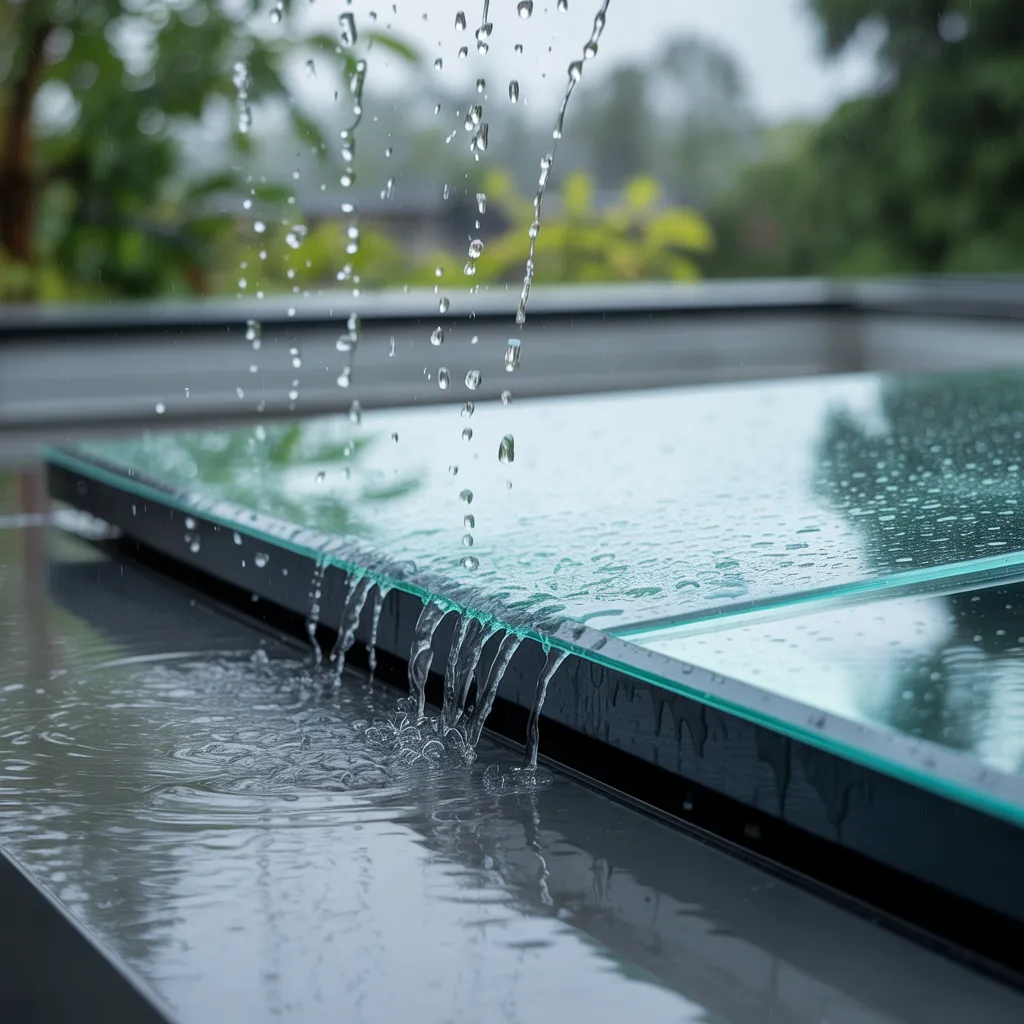
The Case for Installing a Rooflight? Advantages for Your Home
What are the benefits of installing a rooflight? Rooflights provide a wide range of benefits that improve both the visual appeal and practical functionality of a home. They convert dim, underused spaces into bright and welcoming areas by letting natural sunlight pour in, which can significantly boost mood and overall well-being. Increased daylight reduces reliance on artificial lighting, thereby lowering energy costs.
Furthermore, rooflights can enhance ventilation, providing a fresh air flow that supports a healthier indoor environment. Many homeowners appreciate the added architectural interest that rooflights bring, making their homes more beautiful. Moreover, a well-placed rooflight can additionally boost property value, appealing to future buyers with its stylish and open atmosphere. To conclude, installing a rooflight can result in a sunnier, more comfortable, and more attractive living space, making it a worthwhile consideration for every homeowner wishing to upgrade their property.
Finding the Best Rooflight for Installation
When picking out the most suitable rooflight for installation, householders must evaluate several factors to ensure it meets their specifications and complements their space. First, the size and shape of the rooflight are vital; it should integrate seamlessly with the established design while delivering ample natural light. Furthermore, the choice of glazing is important; choices such as double or triple glazing provide superior insulation and energy efficiency. Homeowners should also evaluate the rooflight's ventilation options, as good air circulation can help reduce humidity and boost indoor air quality.
Visual factors, such as frame color and material choices, are also important in ensuring the rooflight complements the home's overall design. In addition, it is necessary to assess local building regulations and potential planning permissions, which may affect the choice of rooflight. By carefully considering these factors, homeowners can find a rooflight that satisfies functional demands while improving their home environment.
Step-By-Step Installation Process
Upon choosing the correct rooflight, the next step involves the installation method, which necessitates careful attention to detail to guarantee a successful result. The first task is to prepare the installation area by verifying the roof is accessible and clean. Following this, measurements must be taken accurately to indicate the planned placement for the rooflight, confirming alignment with the established roof construction.
Following this, the roofing material is carefully cut according to the marked measurements. The next step involves the installation of a supporting curb or frame to reinforce the rooflight, which must be firmly secured to avoid any leaks. When the curb is securely set, the rooflight is installed and sealed with weatherproof flashing. Finally, any final details, such as internal trim, are applied to finalize the installation. This careful approach guarantees the rooflight works as intended while enhancing the home's aesthetics and natural light.
What Tools Are Required for Rooflight Installation?
A number of important tools are necessary for a proper rooflight fitting. It is important for homeowners to collect the right tools to guarantee efficiency and safety during the process. A power drill is essential for making precise holes and securing fixtures. A circular saw or jigsaw is needed for making the cut in the roof, while a measuring tape provides accurate dimensions. A level is essential for positioning the rooflight with precision.
Protective gear, comprising protective gloves and goggles, guards against potential hazards. In addition, a nail gun or roofing hammer helps facilitate the installation of flashings or shingles around the roof window. A sealant gun is also essential for closing joints and avoiding water ingress. Lastly, scaffolding or a sturdy ladder delivers secure access to the rooftop. By gathering these tools in advance, householders can achieve superior results and streamline the installation process.
Setting Up Your Roof: Safety and Structural Requirements
Prior to starting a rooflight installation, it is essential to focus on safety and evaluate the roof's structural stability. Proper safety gear, such as harnesses and helmets, is necessary to guard against possible dangers. Additionally, carrying out a detailed inspection of the roof ensures it can bear the new structure without affecting structural stability.
Safety Equipment Essentials
The foundation of safe rooflight installation lies in proper gear selection. A hard hat should be a priority for homeowners to guard against debris that may fall. Wearing non-slip footwear is crucial for maintaining grip on the roof, lowering the likelihood of accidents from loss of footing. Safety harnesses are also necessary when working at considerable heights, fastening firmly to avoid potential accidents. Eye protection shields against dust and stray particles, and gloves offer a secure grip while shielding hands from sharp surfaces. Knee pads are also recommended for added comfort when spending long periods on the roof. By equipping themselves with these essential safety items, homeowners are able to reduce risks and approach the installation with increased confidence and peace of mind.
Integrity Verification
Conducting a structural integrity check is vital for a secure rooflight installation, as it helps identify any hidden concerns that may undermine the roof's stability. The first step for homeowners is to inspect the rafters and joists for evidence of damage, such as cracks or rot. It is important to evaluate the current roofing materials, ensuring they can bear the extra weight of the rooflight. Working with a structural engineer can provide valuable insights, especially for older homes or those with prior damage. Furthermore, ensuring proper drainage and ventilation is essential to minimise future problems. By taking these structural factors into account, homeowners can secure a reliable installation, enhancing both safety and the longevity of their rooflight.
Mount Your Rooflight Effortlessly: Vital Pointers
Successful rooflight installation copyrights on thorough preparation and meticulous attention to detail. Those undertaking the project should begin by assembling all the essential tools and materials, making sure everything is within reach before starting. Carefully following the manufacturer's instructions is strongly advised, as each rooflight may have specific requirements.
Moreover, developing a comprehensive plan strengthens the setup process. Marking the position where the rooflight will be fitted helps avoid mistakes, while verifying measurements confirms accuracy.
While working through the roof, utilizing a sharp cutting blade can prevent damage to nearby materials. Proper safety measures, such as securing the work area and wearing protective gear, are crucial to avoid accidents.
Ensuring the rooflight is sealed correctly is critical to prevent leaks. It is recommended that homeowners apply premium sealant around the edges to ensure long-lasting results. By following these key guidelines, the fitting process can move forward seamlessly, leading to a successful and aesthetically pleasing rooflight addition.
The Top 5 Installation Challenges with Effective Solutions
During rooflight installation, various challenges can arise that may impede advancement. Pinpointing typical problems is vital for effective problem-solving. This guide will present the top five obstacles and supply effective strategies to ensure a smooth installation.
Common Installation Difficulties
Fitting rooflights can present a number of obstacles that may hinder the process and impact the final outcome. A frequent challenge is poor structural foundation, which can lead to safety issues and compromised integrity. Environmental factors, such as rain or high winds, can delay installation and affect material performance. Furthermore, improper measurements may lead to poorly fitting rooflights, necessitating costly adjustments. A further difficulty includes navigating around established plumbing or electrical components, which can add complexity to the fitting process. Finally, securing the required permits can be time-consuming, resulting in postponements and legal concerns. Acknowledging these issues ahead of time can assist homeowners in planning accordingly, providing a more straightforward installation journey.
Proven Problem-Solving Techniques
Managing the intricacies of rooflight installation commonly necessitates effective problem-solving strategies to overcome common challenges. A common problem involves incorrect dimensions, which can lead to ill-fitting units, double-checking dimensions prior to purchase is essential. Another challenge is ensuring structural integrity, seeking expert advice can assist in assessing the roof's load-bearing ability. Leaks during the installation process are a frequent occurrence, using quality sealants and following manufacturer guidelines can mitigate this risk. Furthermore, issues involving electrical setups for integrated lighting systems may develop; property owners are advised to engage a qualified electrician. Finally, managing unexpected weather changes can disrupt timelines, scheduling installations during favorable conditions is advisable. Through careful preparation for these issues, homeowners can facilitate a smoother rooflight installation process.

Frequently Asked Questions
How Much Time Does a Rooflight Installation Usually Take?
A rooflight installation generally requires anywhere from one to three days, influenced by factors such as design complexity, roofing material type, and local weather conditions, guaranteeing a proper fit and seal for the best possible performance.
Can I Fit a Rooflight on My Own or Should I Hire a Professional?
Homeowners can install a rooflight themselves if they possess the necessary skills and tools, but engaging a professional installer is frequently suggested for optimal outcomes and to confirm conformity with building codes and safety standards.
What Maintenance Is Required After Installation?
After installation, regular maintenance for a rooflight includes washing the glass panels, examining seals for any signs of leaks, assessing the surrounding roofing materials, and confirming adequate drainage. Following these measures helps preserve performance and prolongs the rooflight's service life.
Do Rooflights Offer Energy-Efficient Solutions for My Home?
Roof lights are energy-saving solutions for residential properties, allowing natural light to reduce reliance on artificial lighting. examine guide Properly installed and insulated, they contribute to thermal efficiency, likely decreasing heating and cooling bills over time.
What Permissions Are Required for Rooflight Installation?
In most cases, residents are required to secure building approvals for installing rooflights, which might require planning consent and meeting local building regulations. Consulting local authorities confirms compliance with local zoning requirements and safety standards prior to commencing the installation.